OUR STORY
It started with a simple question.
Why is my baby rejecting this breast milk?
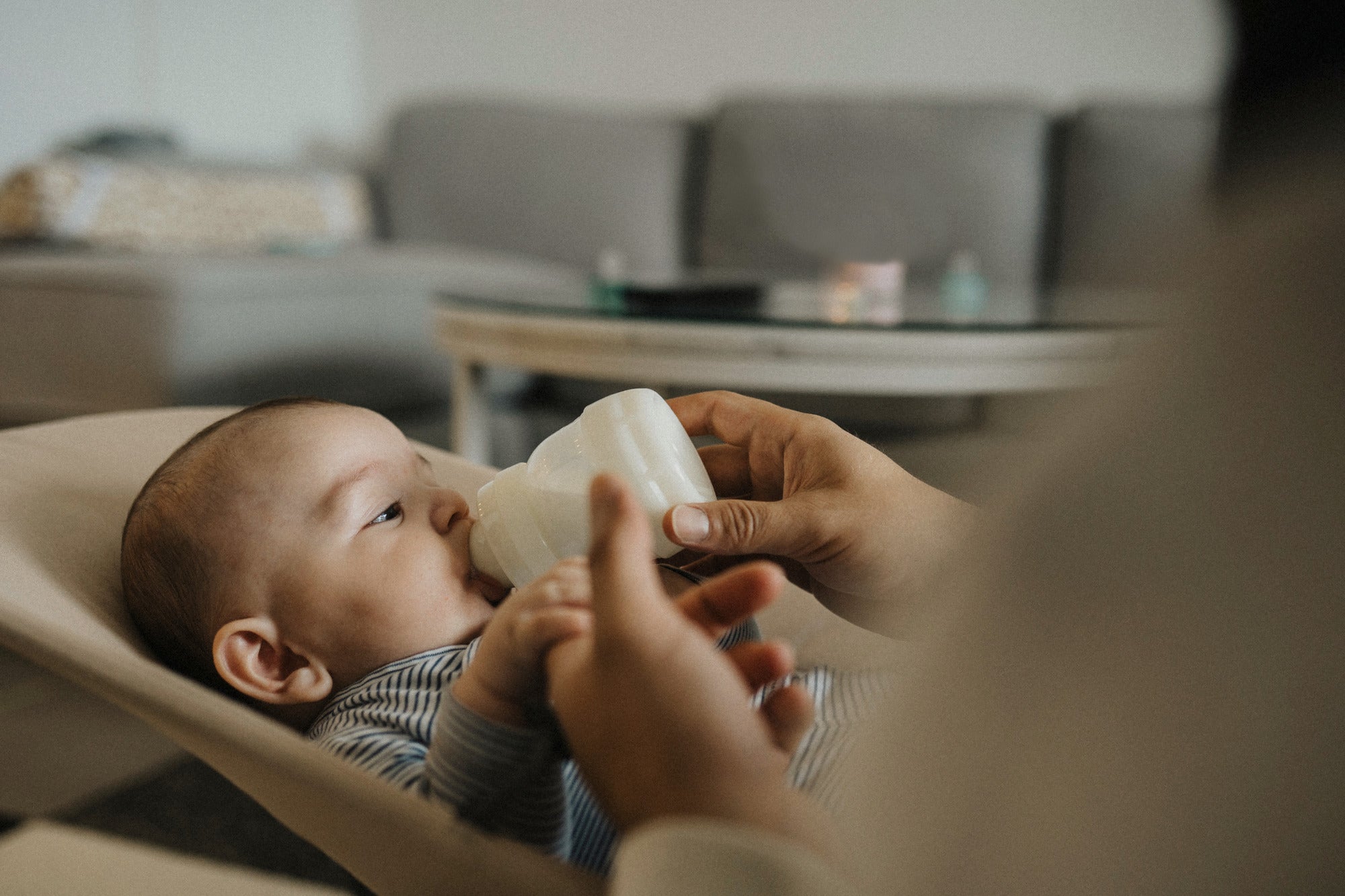
After Katie and Justin Silpe welcomed their second child and a few months of maternity leave, Katie returned to work and Justin took over feeding their baby during the day — with Katie's frozen stash. But when Justin offered the thawed breast milk to their daughter, she refused to drink it.
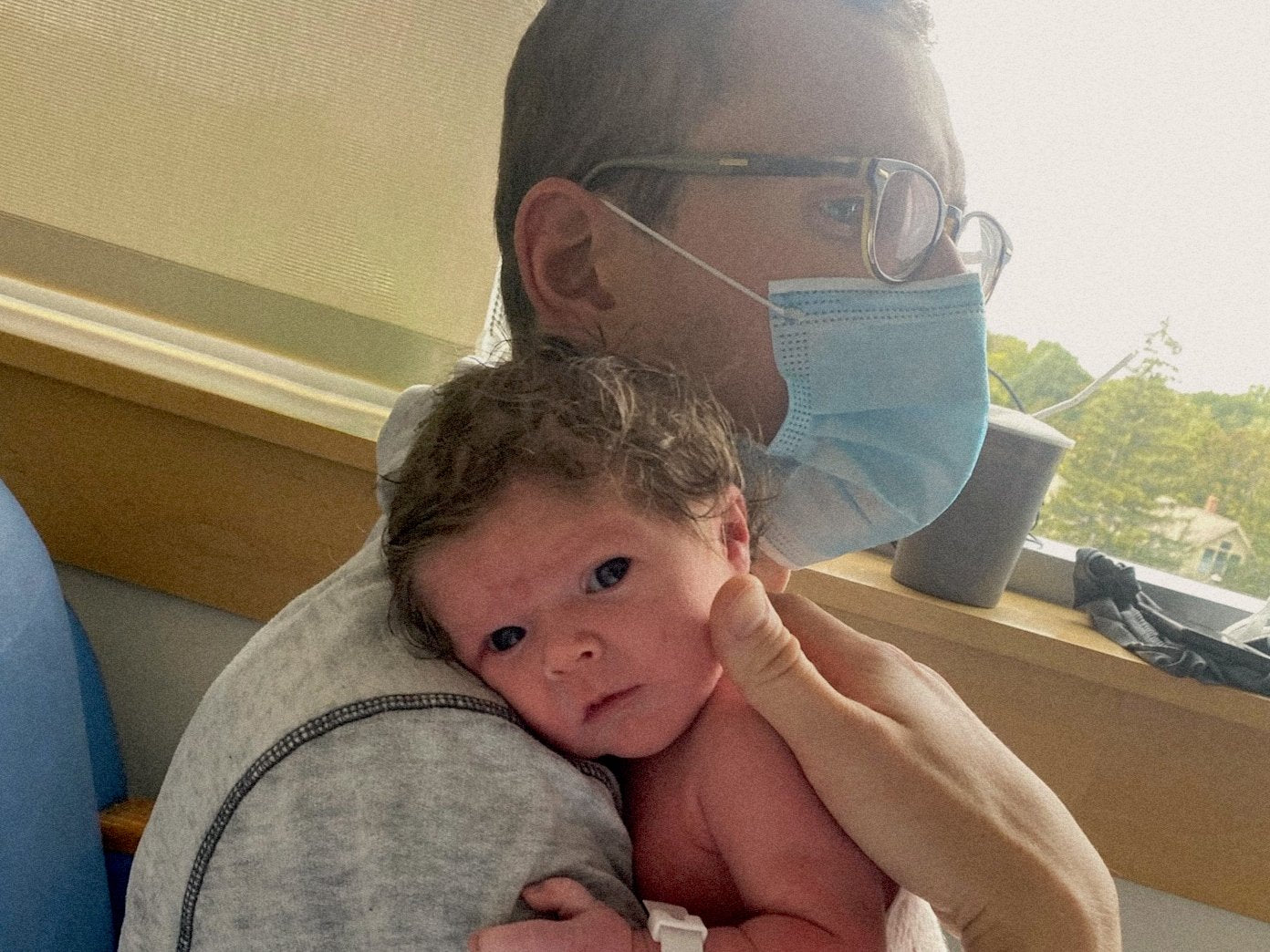
They weren't alone.
Other parents online reported the same issues feeding their babies their frozen breast milk. They all noticed the change in taste and smell. They all didn't know what to do about it.
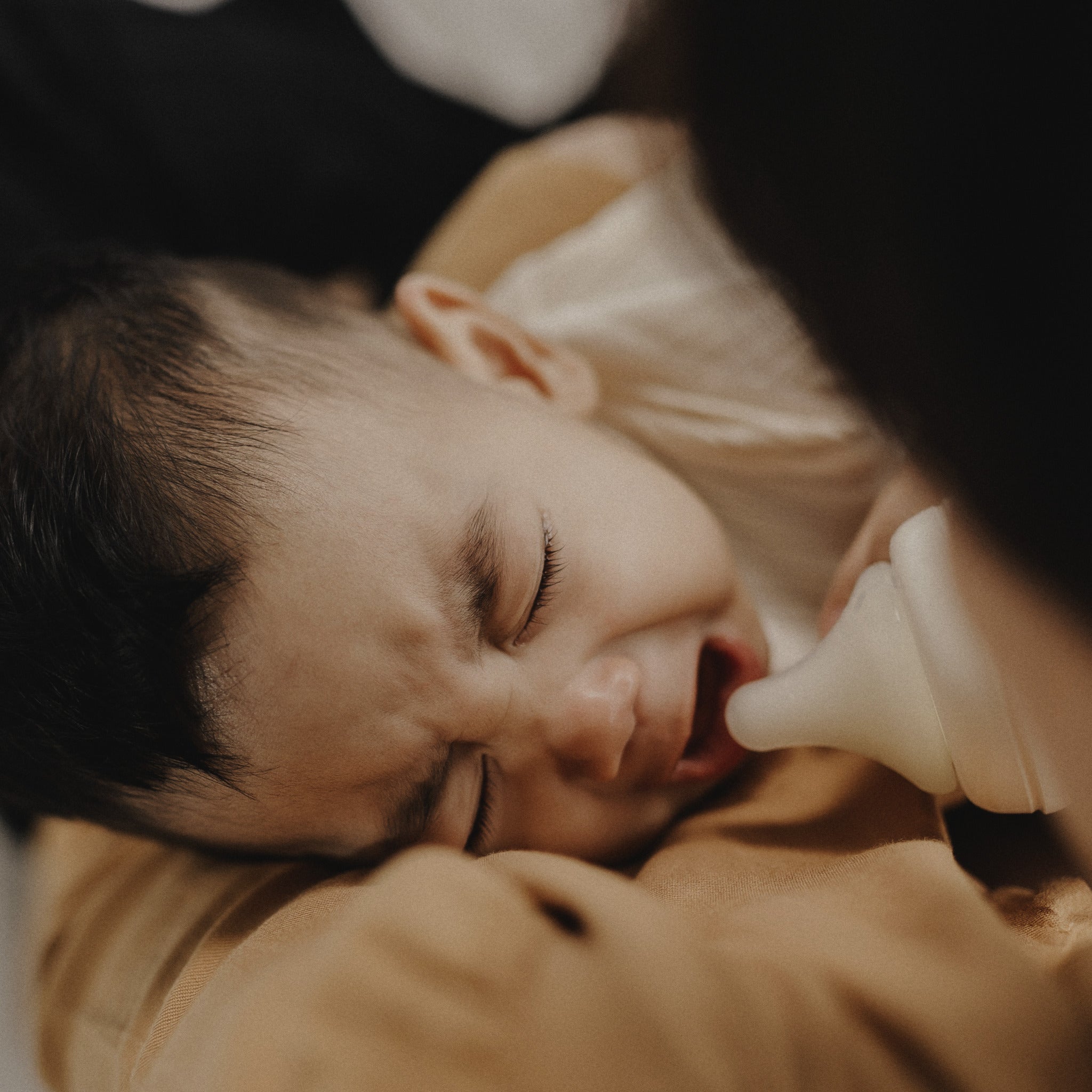
So Justin went looking for answers. In the lab.
There was no explanation. Or credible information anywhere online. So Justin decided to study it. He brought Katie's thawed milk into Bonnie Bassler's Princeton laboratory, used the same scientific techniques he used to study bacterial cell-cell communication, and found that the milk was changing after storage. Not just the texture and flavor, but the nutrition too.
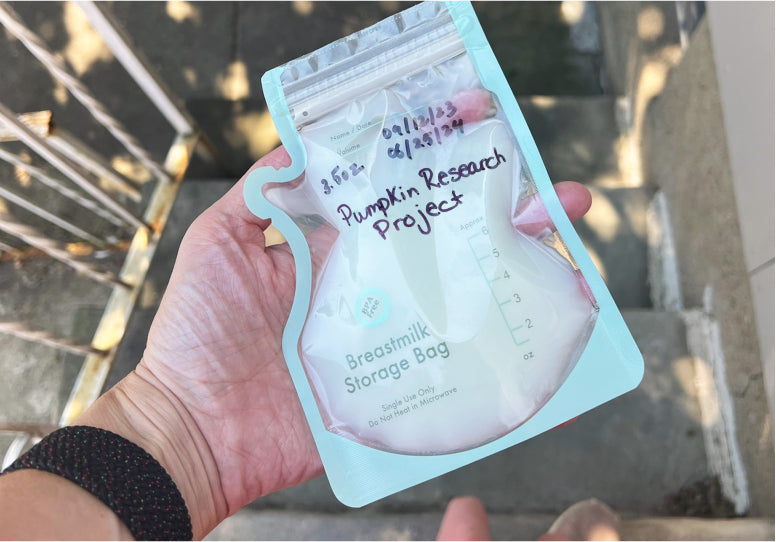
The solution would take a village.
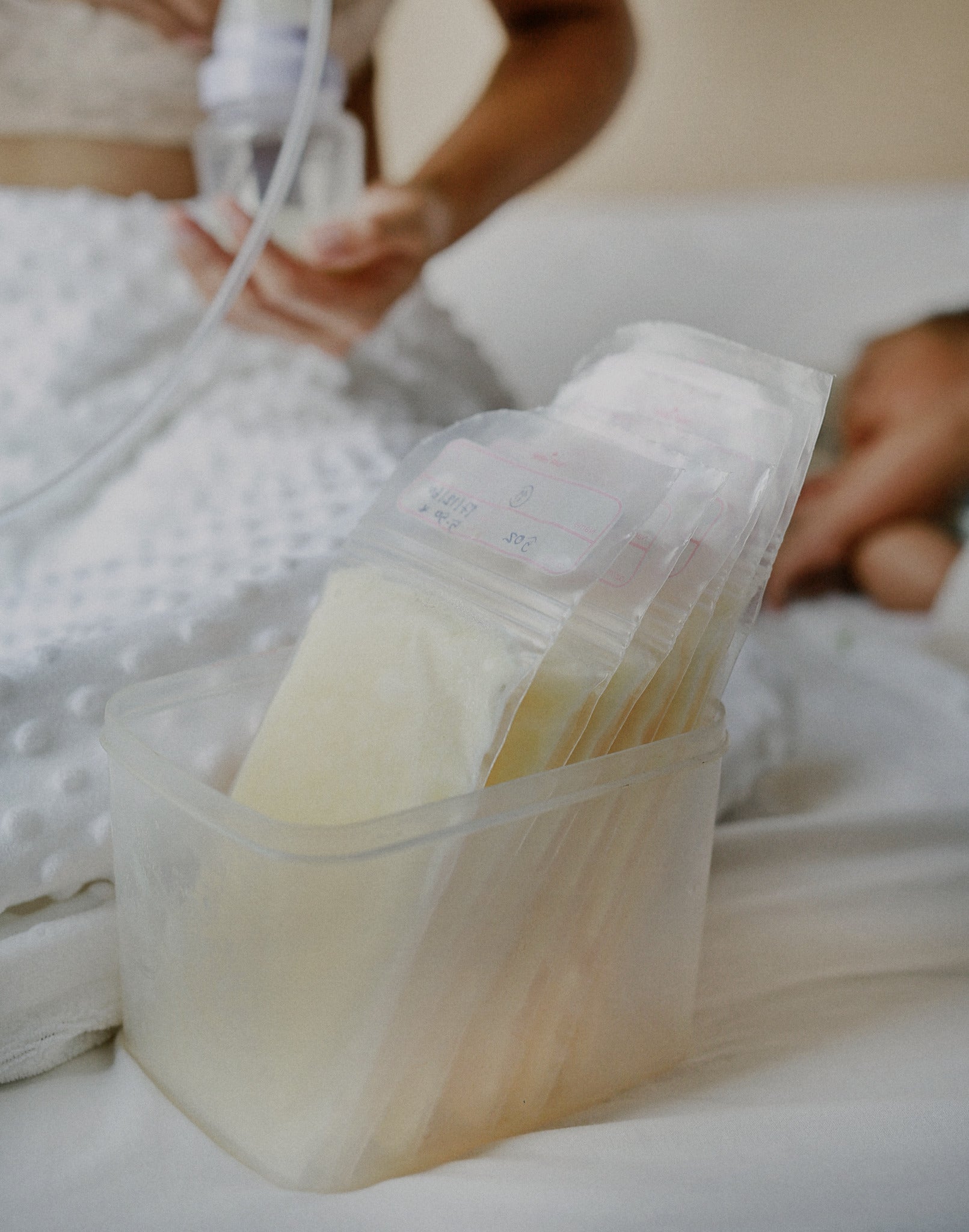
Justin applied high-throughput screening to human milk to see if he could find a set of ingredients that would preserve the milk's structure and nutritional value after storage. But first, he would need a lot of breast milk. Justin developed a protocol, Katie engaged her network, and the couple drove around New Jersey collecting donations from dozens of pumping moms.
PumpKin was born.
After extensive research and screening, Justin discovered a combination of three infant-safe, natural ingredients that, when added to breast milk, keep it fresh in the freezer.